
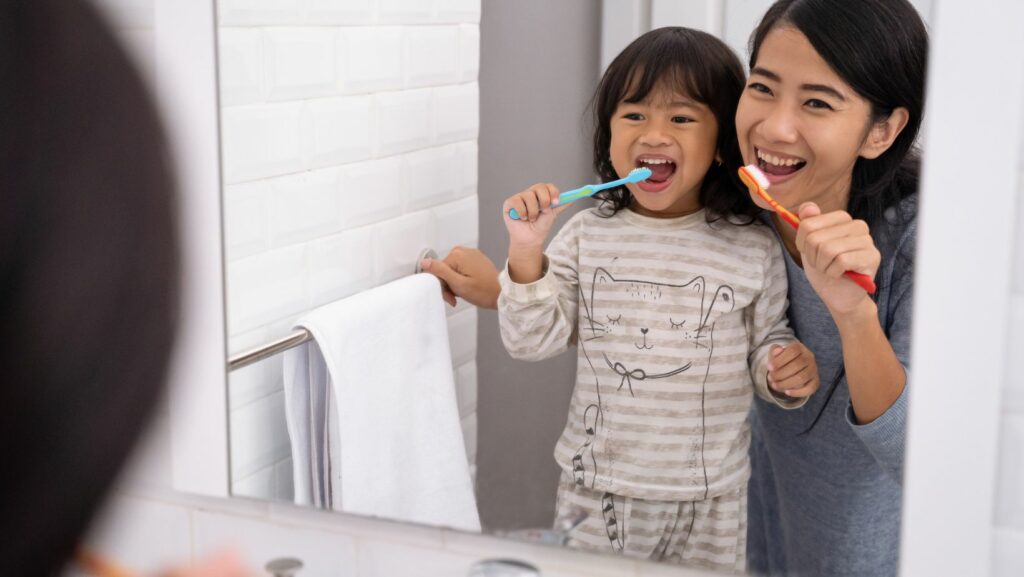
One day your child is happily brushing their teeth, and the next, it’s an all-out battle just to get a toothbrush near their mouth. It happens quickly, often without warning. One night they’re humming while brushing, and the next they’re hiding behind the couch insisting “I don’t need to!” If this sounds familiar, you’re not alone — it’s one of the most common challenges parents mention to a paediatric dentist Sydney, and thankfully, it’s also one of the easiest behaviours to turn around once you understand what’s behind it.
Kids rarely stop brushing because they’re being difficult. More often, it’s tied to small sensory changes, hidden anxieties, or shifts in independence. Here’s how to figure out what’s going on — and how to get brushing back on track quickly.
1. The Routine Became Boring or Repetitive
Kids crave novelty. Once the bedtime routine becomes predictable, brushing can feel like a chore they just don’t want to do anymore. They’re not avoiding hygiene — they’re avoiding boredom.
How to fix it:
Turn brushing into something fun and interactive.
Try:
- A 2-minute song or brushing playlist
- Letting them choose a new toothbrush design
- A kid-friendly countdown timer
- Brushing together and making it a shared activity
A tiny routine change can transform “boring” into “engaging.”
2. They’re Experiencing Sensory Discomfort
Toothpaste that suddenly tastes “too spicy.”
Brush bristles that feel “scratchy.”
Water that’s “too cold.”
These sensory reactions are incredibly common, especially between ages 3–7 when children become more aware of textures and flavours.
Try this:
- Switch to a milder-tasting toothpaste
- Pick soft or ultra-soft bristles
- Warm the water slightly
- Let your child choose the brushing tools themselves
When they feel in control, the discomfort reduces.
3. They’re Testing Their Independence
Between early childhood and the pre-teen years, kids naturally push boundaries. Brushing their teeth becomes an easy area to assert independence. It’s one of the few things you can’t physically do for them without their cooperation.
What works best:
Offer choices, not commands.
- “Do you want to brush first or after I brush mine?”
- “Should we set a timer or use your song today?”
- “Do you want the blue mint toothpaste or the strawberry one?”
When brushing feels like their decision, resistance softens instantly.
4. They Had a Negative Experience They Haven’t Told You About
It could be:
- A small gum bleed
- A sensitive tooth
- A rough brushing session
- A comment they overheard
- A past appointment that felt overwhelming
Kids often internalise these moments without verbalising them.
How to help:
- Ask gently what part feels “hard” or “yucky”
- Check for visible irritation or redness
- Slow down the process
- Reassure them that it’s normal for certain areas to be tender
A calm, understanding conversation can reveal the real issue.
5. They Don’t Understand Why Brushing Matters
Kids live in the moment. If they don’t feel discomfort or see anything wrong, brushing can feel like an unnecessary step.
Make brushing meaningful:
- Use a simple picture book about teeth
- Explain “sugar bugs” in a fun, non-scary way
- Let them look in the mirror and spot areas to clean
- Play a quick “find the hidden food” game by pretending to brush away imaginary crumbs
When kids understand the purpose, they’re more willing to participate.
6. The Timing Doesn’t Work for Them
Some kids resist brushing because of timing, not the brushing itself. If it happens too late, too early, or during a moment of tiredness, frustration follows.
Try adjusting:
- Brush right after dinner instead of before bed
- Move brushing earlier in the morning routine
- Pair brushing with another predictable habit (bath time, story time, etc.)
A smarter routine often eliminates the stress entirely.
7. They Need Positive Reinforcement, Not Pressure
Nagging, rushing, or turning brushing into a power struggle usually makes things worse. Kids respond far better to encouragement than to force.
Use simple reinforcement strategies:
- Sticker charts
- Reward tokens
- Praise for effort, not perfection
- Celebrating small wins (“You brushed for the full song tonight!”)
You’re not bribing — you’re motivating.

Turning Refusal Into Routine Again
When kids stop brushing their teeth, it’s rarely a long-term issue. It’s almost always a sign they’ve hit a developmental stage, sensory shift, or emotional speed bump. With small adjustments, patience, and a bit of creativity, you can rebuild the habit quickly — and with much less stress.
Brushing doesn’t need to be a nightly battle. With a few tweaks tailored to your child’s personality, you can turn a frustrating task into a simple, drama-free part of their day.