
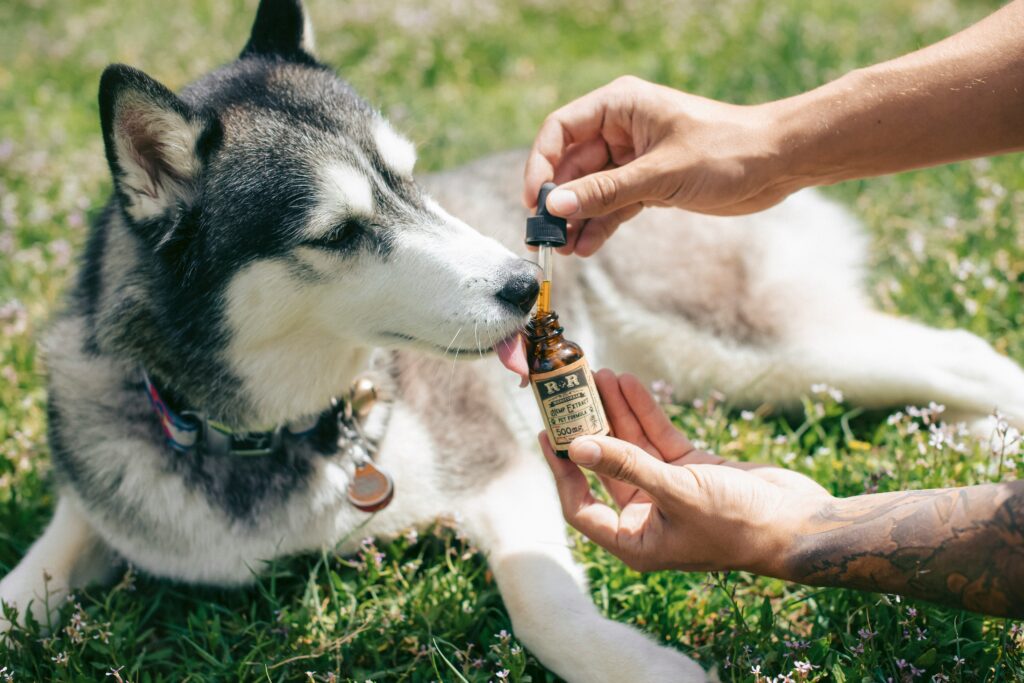
Pets cannot tell us when something feels wrong, which is why recognising unusual behaviour or physical symptoms is so important. Many health issues begin with subtle signs that owners might easily overlook. In some situations, however, these warning signs indicate that a pet needs urgent medical care.
Knowing when to act quickly can make a significant difference in your pet’s recovery. When symptoms appear suddenly or worsen rapidly, contacting an emergency vet Rosebery service or a nearby veterinary clinic may help ensure your pet receives prompt attention.
Understanding the early warning signs of serious health problems allows pet owners to respond quickly and confidently when something is not right.
Sudden Changes in Behaviour
One of the earliest signs that a pet may be experiencing a health problem is a noticeable change in behaviour.
Animals often show discomfort through their actions rather than obvious physical symptoms. If your normally energetic dog suddenly becomes withdrawn, or your playful cat begins hiding more often than usual, it may signal an underlying issue.
Pay attention to changes such as:
- Unusual aggression or irritability
- Excessive sleeping or lethargy
- Loss of interest in favourite activities
- Avoiding contact with family members
These behavioural shifts may suggest pain, illness, or stress that requires veterinary evaluation.
Difficulty Breathing
Breathing problems should always be treated as a potential emergency.
Healthy pets typically breathe quietly and steadily. If you notice rapid breathing, wheezing, or laboured breaths, it may indicate a serious medical condition.
Watch for symptoms such as:
- Open-mouth breathing in cats
- Heavy panting without physical activity
- Blue or pale gums
- Coughing combined with breathing difficulty
Respiratory distress can worsen quickly, so immediate veterinary care is essential if these signs appear.
Persistent Vomiting or Diarrhoea
Occasional stomach upset may not be unusual for pets. However, repeated vomiting or diarrhoea can lead to dehydration and signal more serious digestive problems.
Warning signs include:
- Vomiting multiple times within a short period
- Blood in vomit or stool
- Refusal to drink water
- Signs of weakness or collapse
Digestive issues may result from infections, toxins, or blockages, all of which require professional evaluation.
Sudden Loss of Appetite
Most pets enjoy regular meals, so refusing food for an extended period can be concerning.
A pet that stops eating may be experiencing pain, nausea, or illness. While skipping a single meal may not always indicate an emergency, prolonged loss of appetite often requires attention.
Look for additional signs such as:
- Weight loss
- Drooling or difficulty swallowing
- Hiding or reduced activity
These symptoms may indicate dental problems, infections, or internal health issues.
Signs of Severe Pain
Animals instinctively hide pain, which means it is important to recognise subtle signs.
Your pet may be experiencing pain if you notice:
- Whining, yelping, or vocalising more than usual
- Limping or difficulty walking
- Sensitivity when touched
- Restlessness or inability to settle
Pain can result from injuries, infections, or internal conditions that require immediate treatment.
Trauma or Accidents
If your pet experiences a fall, collision, or other accident, it is always wise to monitor them closely.
Even if your pet appears normal immediately afterward, internal injuries may develop later. Symptoms may not be visible right away.
Seek veterinary care if your pet shows signs such as:
- Bleeding that does not stop
- Difficulty standing or walking
- Swelling or visible injuries
- Sudden weakness or collapse
Prompt evaluation helps rule out hidden injuries that could worsen without treatment.
Seizures or Loss of Consciousness
Seizures are alarming and always require veterinary attention.
During a seizure, pets may lose control of their body movements and appear disoriented afterward. Some animals may also lose consciousness briefly.
Signs of seizures can include:
- Sudden shaking or convulsions
- Drooling or foaming at the mouth
- Stiff body posture
- Temporary confusion after the episode
Even a single seizure should be reported to a veterinarian to determine the cause.
Difficulty Urinating
Urinary problems can become life-threatening if not treated quickly.
If your pet strains to urinate or produces little or no urine, it may indicate a blockage or infection. This issue is particularly urgent for male cats.
Watch for signs such as:
- Frequent attempts to urinate
- Crying or discomfort during urination
- Blood in urine
- Excessive licking of the urinary area
Immediate veterinary care is necessary to prevent serious complications.
Trust Your Instincts as a Pet Owner
Pet owners often know their animals better than anyone else. If something about your pet’s behaviour or condition feels unusual, it is worth seeking professional advice.
Early treatment can prevent minor health issues from becoming serious emergencies. Acting quickly when warning signs appear helps protect your pet’s wellbeing and increases the chances of a full recovery.
While not every symptom signals a medical crisis, paying attention to changes in behaviour, appetite, breathing, and movement can make a significant difference. Being prepared and aware allows pet owners to respond quickly when their animals need help the most.