
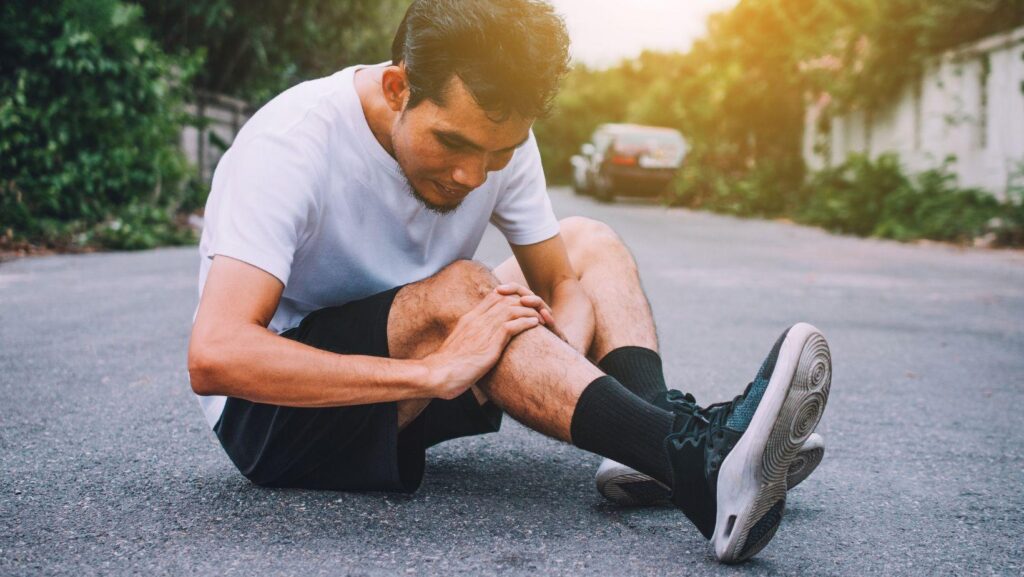
Knee pain can make everyday movement feel more challenging, especially when activities you once enjoyed start causing discomfort. However, avoiding movement altogether is rarely the best solution. With the right approach, many people can stay active, protect their joints, and continue enjoying a healthy lifestyle while managing knee concerns.
For some individuals, ongoing pain may eventually require medical support, including options such as knee replacement surgery in Toowoomba. However, before reaching that stage, understanding how to move safely and strengthen the body can make a meaningful difference in maintaining mobility and confidence.
Choose Low-Impact Activities
When knees are painful, high-impact exercises like running or jumping may place extra stress on the joints. Low-impact activities allow you to stay active while reducing unnecessary strain.
Some options to consider include:
The goal is not to stop moving but to find activities that work with your body rather than against it.
Strengthen the Muscles Around Your Knee
Strong supporting muscles can help improve stability and reduce the workload placed on the knee joint. Building strength does not always require heavy weights or intense workouts.
Simple exercises that may help include:
It is important to focus on proper technique rather than pushing through pain. Moving slowly and maintaining control can be more beneficial than completing more repetitions with poor form.
Listen to Your Body
A common mistake people make when dealing with knee pain is ignoring warning signs. While some muscle discomfort can be normal when starting a new activity, sharp pain or worsening symptoms should not be pushed aside.
Pay attention to:
Adjusting your routine when needed can help prevent setbacks and keep you active over the long term.
Improve Daily Movement Habits
Exercise is only one part of staying mobile. Everyday habits can also affect how your knees feel.
Small changes can include:
For example, if you normally take short walks, increasing your distance gradually gives your joints time to adapt. Sudden changes in intensity can place extra pressure on areas that are already sensitive.
Consider Professional Guidance
If knee pain continues despite lifestyle changes, getting advice from a healthcare professional can help identify the underlying cause and suitable treatment options. A personalised plan may include physical therapy, targeted exercises, lifestyle adjustments, or other treatments depending on your situation.
Professional guidance is especially helpful if pain is affecting your independence or preventing you from completing activities you value. Early attention can make it easier to manage symptoms and make informed decisions about your health.
Stay Positive and Focus on Progress
Knee pain can be frustrating, particularly when it limits activities that are important to you. However, staying active does not mean doing everything the same way as before. It means finding realistic ways to keep your body moving while respecting its needs.
Progress may happen gradually, but consistent effort can improve strength, flexibility, and confidence. Whether it is a daily walk, a swimming session, or a few minutes of gentle exercises at home, each step contributes to better overall movement.
Keeping active with knee pain is about balance. By choosing suitable activities, strengthening your body, and responding to changes early, you can continue working towards a more comfortable and active lifestyle.