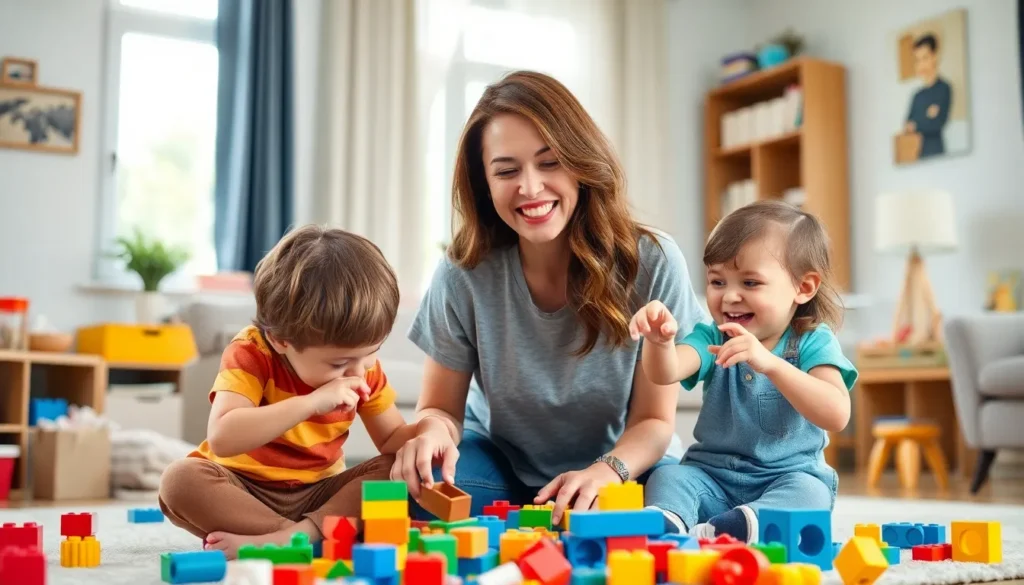
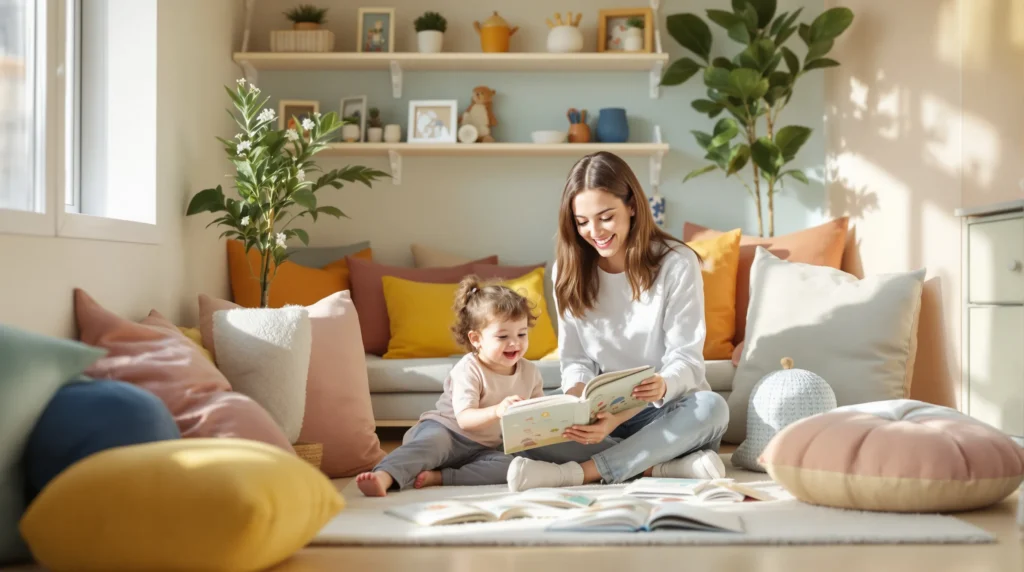
Picture this: It’s 7:03 a.m. Your toddler is on the kitchen floor, face streaked with oatmeal, wailing because you dared to slice their banana the “wrong” way. If you’ve ever felt your patience evaporate before breakfast, you’re not alone. Positive parenting tips for toddlers aren’t just for the calm, zen parents you see on Instagram—they’re for real people, in real kitchens, with real messes and real feelings. Here’s the part nobody tells you: positive parenting isn’t about being perfect. It’s about connection, repair, and learning together, one meltdown at a time.
What Is Positive Parenting, Really?
Positive parenting tips for toddlers start with a simple idea: treat your child with respect, empathy, and clear boundaries. It’s not about letting kids run wild or being a pushover. It’s about guiding them with warmth and consistency. If you’ve ever wondered why your toddler seems to have a sixth sense for testing limits, here’s why: their brains are wired for exploration, not compliance. They’re not trying to make you crazy—they’re learning how the world works.
Who Should Use Positive Parenting?
If you want fewer power struggles, more giggles, and a stronger bond with your toddler, positive parenting tips for toddlers are for you. If you’re looking for a quick fix or a way to “control” your child, this approach might frustrate you. Positive parenting is for parents who want to raise confident, kind kids—and who are willing to grow alongside them.
Why Toddlers Push Boundaries
Let’s break it down. Toddlers are tiny scientists. They test, repeat, and push because they’re figuring out what’s safe, what’s allowed, and how much power they have. When your toddler dumps their water on the floor for the third time, they’re not plotting your downfall. They’re learning cause and effect. Here’s the kicker: your reaction teaches them just as much as your rules do.
The Science Behind It
Research shows that positive parenting tips for toddlers—like staying calm, setting clear limits, and showing empathy—help kids develop better emotional regulation and social skills. According to the American Academy of Pediatrics, children raised with positive discipline are less likely to develop anxiety or behavioral problems later on.
Five Positive Parenting Tips for Toddlers That Actually Work
-
Connect Before You Correct
Imagine you’re in the middle of a good book and someone yanks it away. That’s how a toddler feels when you interrupt their play to enforce a rule. Get down to their level, make eye contact, and use their name. “Sam, I see you’re building a tall tower. It’s almost time to clean up.” Connection first, correction second.
-
Set Clear, Simple Limits
“No hitting” is clearer than “Be nice.” Use short, direct phrases. Repeat them calmly. Toddlers thrive on predictability. If you waffle or give in, they’ll keep testing. Consistency is your secret weapon.
-
Offer Choices—But Not Too Many
Give your toddler a sense of control. “Do you want the red cup or the blue cup?” Two options are plenty. Too many choices can overwhelm them (and you).
-
Validate Big Feelings
“You’re mad because you wanted to wear your dinosaur shirt. That’s hard.” Naming feelings helps toddlers learn to manage them. You don’t have to fix the feeling—just acknowledge it.
-
Model the Behavior You Want
If you want your toddler to use gentle hands, show them what that looks like. Narrate your actions: “I’m putting my shoes away gently.” Kids copy what they see, not what they’re told.
Common Mistakes (And How to Recover)
Here’s the truth: you will lose your cool. You’ll yell, bribe, or threaten to throw every toy in the trash. It happens. The magic is in the repair. Apologize. “I was frustrated and I yelled. I’m sorry. Let’s try again.” This teaches your toddler that everyone makes mistakes—and that relationships can heal.
What If Positive Parenting Feels Too Hard?
If you’re exhausted, you’re not failing. Positive parenting tips for toddlers work best when you take care of yourself, too. Ask for help. Take breaks. Remember, your child doesn’t need a perfect parent—they need a present one.
Real-Life Examples: Positive Parenting in Action
-
The Grocery Store Meltdown
Your toddler wants cookies. You say no. They scream. Instead of bribing or threatening, you kneel down and say, “You really want cookies. It’s hard to wait. We can get cookies next time.” You hold your boundary, but you also hold their feelings.
-
The Bedtime Battle
Your child refuses pajamas. You offer two choices: “Do you want to wear the rocket pajamas or the striped ones?” They pick one. You both win.
Building Your Positive Parenting Toolbox
Here’s what nobody tells you: positive parenting tips for toddlers aren’t about having all the answers. They’re about building a toolkit you can reach for when things get tough. Some days, you’ll use every tool. Other days, you’ll forget where you put them. That’s normal.
- Practice deep breaths together when things get heated
- Use humor to diffuse tension (“Oh no, the sock monster strikes again!”)
- Keep routines predictable—toddlers love knowing what comes next
- Celebrate small wins (“You put your shoes on by yourself! High five!”)
Final Thoughts: Progress, Not Perfection
If you’ve ever wondered if you’re doing enough, you are. Positive parenting tips for toddlers aren’t about never making mistakes—they’re about showing up, trying again, and loving your child through the mess. Every tantrum is a chance to teach, connect, and grow. And if you sliced the banana wrong? There’s always tomorrow—and maybe a new banana.