
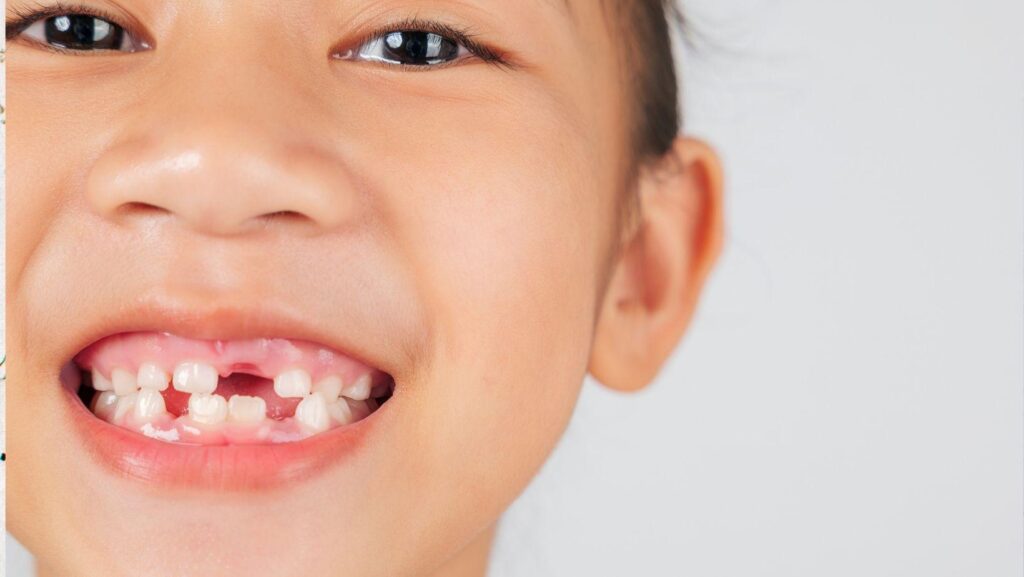
Losing a tooth might seem like a cosmetic issue at first. It changes how your smile looks, which is often the most noticeable impact. But what many people don’t realise is that missing teeth can affect much more than appearance.
From the way you eat to how you speak and even the long-term structure of your face, the effects can gradually build over time. What starts as a small gap can lead to bigger challenges if it’s not addressed.
That’s why many people explore solutions such as dental implants Oakleigh options early on, not just to restore how their smile looks, but to maintain overall oral health and function.
Changes in the Way You Eat
Chewing becomes less efficient
Teeth work together as a system. When one is missing, the balance is disrupted.
This can lead to:
-
Difficulty chewing certain foods
-
Avoiding harder or healthier options
-
Putting extra strain on remaining teeth
Nutrition can be affected
Over time, limited food choices may impact your diet. People often shift toward softer, more processed foods, which aren’t always the most nutritious.
Shifting Teeth and Bite Problems
Teeth naturally move over time
When there’s a gap, surrounding teeth may begin to shift into the space. This can happen slowly, but it changes your bite alignment.
As a result:
-
Teeth can become uneven
-
Bite pressure may no longer be balanced
-
Cleaning between teeth becomes more difficult
Bite issues can lead to discomfort
An uneven bite can place stress on your jaw and surrounding muscles, sometimes causing discomfort or tension over time.
Impact on Jawbone Health
The jawbone needs stimulation
Your jawbone relies on regular stimulation from tooth roots to maintain its density.
When a tooth is missing:
-
The bone in that area may begin to shrink
-
Structural support weakens over time
-
Changes in facial shape can occur
Bone loss happens gradually
This isn’t something that happens overnight, which is why it often goes unnoticed until it becomes more significant.
Effects on Speech
Teeth play a role in pronunciation
Certain sounds rely on the positioning of your teeth and tongue. When a tooth is missing, it can subtly affect how words are formed.
This might result in:
-
Slight changes in speech clarity
-
Difficulty pronouncing certain sounds
-
A need to adjust speaking patterns
Confidence can be impacted
Even small changes in speech can affect how comfortable someone feels in conversations.
Increased Risk of Further Dental Issues
Remaining teeth take on more pressure
When one tooth is missing, others often compensate. This added pressure can increase wear and tear.
Over time, this may lead to:
-
Faster enamel wear
-
Higher risk of damage or fractures
-
Additional dental concerns developing
Gaps can trap food and bacteria
Open spaces in the mouth can make it easier for food particles to collect, increasing the risk of decay or gum problems if not managed carefully.
Changes in Facial Structure
Support for facial features decreases
Teeth and jawbone structure help support the shape of your face. When teeth are missing and bone loss occurs, subtle changes can develop.
These may include:
-
A slightly sunken appearance
-
Changes around the mouth or cheeks
-
A more aged look over time
These changes happen gradually
Because they develop slowly, they’re often not immediately linked to missing teeth, but the connection is there.
Why Early Action Makes a Difference
Prevention is easier than correction
Addressing a missing tooth early can help prevent many of these secondary issues. It’s often simpler to maintain structure than to restore it later.
There are multiple options available
Depending on the situation, different solutions may be considered to restore both function and appearance.
The key is understanding your options and making an informed decision based on your needs.
Looking Beyond the Surface
Missing teeth aren’t just about appearance. They affect how your mouth functions, how your teeth align, and how your overall oral health develops over time.
By recognising the broader impact, it becomes easier to see why addressing the issue matters. It’s not about perfection. It’s about maintaining balance, comfort, and long-term health.
Taking action early helps protect not just your smile, but everything that supports it.